
 Getty Images
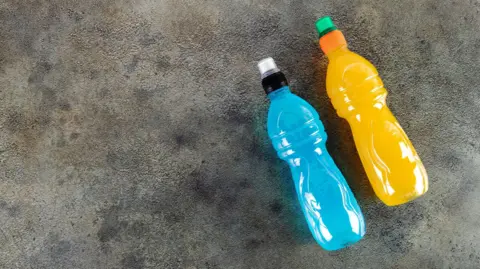
Electrolyte drinks have become a staple on gym floors and running routes, promoted as essential for better performance and faster recovery.
Long used by elite athletes to cope with hard training in hot conditions, they have now crossed firmly into the mainstream and are marketed to casual gym-goers, office workers and even commuters as an everyday hydration boost.
From sports drinks to sachets and powders, these products can set you back a couple of pounds a day.
Electrolytes – minerals like sodium, potassium and magnesium – help regulate nerves, muscles and fluid balance in the body.
According to Professor Graeme Close, a leading sports nutrition researcher at Liverpool John Moores University, most people are spending money they don’t need to.
‘Only use in specific situations’
Professor Close explains that it’s unusual for your body to run low on electrolytes as the body naturally keeps levels stable.
Most people get enough electrolytes “by eating a regular, well designed diet”, as most foods have salt in and fruit and vegetables have potassium and magnesium in.
But, in specific situations such as long and intense periods of exercise where you will sweat lots, your levels of electrolytes are likely to be significantly affected.
“If we exercise for a long period of time, particularly if you’re a salty sweater, then it’s not a bad thing to add some electrolytes back in in the form of sodium,” Professor Close tells BBC’s Sliced Bread.
Electrolyte drinks can also increase thirst, which may help some people drink more which is necessary during long exercise periods.
‘Just sip water or eat an omelette’
But for moderate exercise like going to the gym or a 5k run, electrolytes are not necessary.
“Just sip water, that’s more than good enough and keep your hard-earned money for other things.”
Of course some people may just enjoy the taste of an electrolyte drink and if it encourages you to drink more during exercise then Close says it’s no bad thing.
Instead of buying expensive powders though, he recommends a simple homemade mix to take with you.
“Combine two-thirds water, one-third fruit juice like pineapple juice and a pinch of salt until you can just about taste it.
“That gives you a well-designed 6% carbohydrate and electrolyte solution,” he says.
He also says there’s little evidence that taking electrolyte products first thing in the morning has any impact.
In fact, he explains that the amount of electrolytes in something like an omelette is far greater than what you will get from a sachet so eating first thing is more effective.
They will not make you faster or stronger
 Getty Images
However, where sports drinks do have a strong scientific basis is carbohydrates.
The body can only store enough carbohydrate for only around 70 to 90 minutes of hard exercise, so athletes training beyond that can benefit from drinks that top up energy stores.
But, beyond that, Professor Close says there is little evidence that topping up other minerals like chloride, calcium or phosphorus provides any benefit, especially as the body is good at regulating these minerals.
“All you need to focus on is that during exercise you have enough water, carbohydrates and sodium.”
Ultimately, electrolytes have a place, but only for longer, harder or hotter workouts.
He explains that for everyday exercise it’s not worth it, but for prolonged exercise in the heat or if you’re trying to encourage yourself to drink more, then it’s worth topping up your sodium intake with electrolyte products.
He cautions that there’s no evidence they offer performance gains, no matter what the marketing claims.
“If you see something promising a 10% improvement in your performance, you know it’s not true.”
#dont #electrolytes #everyday #exercise