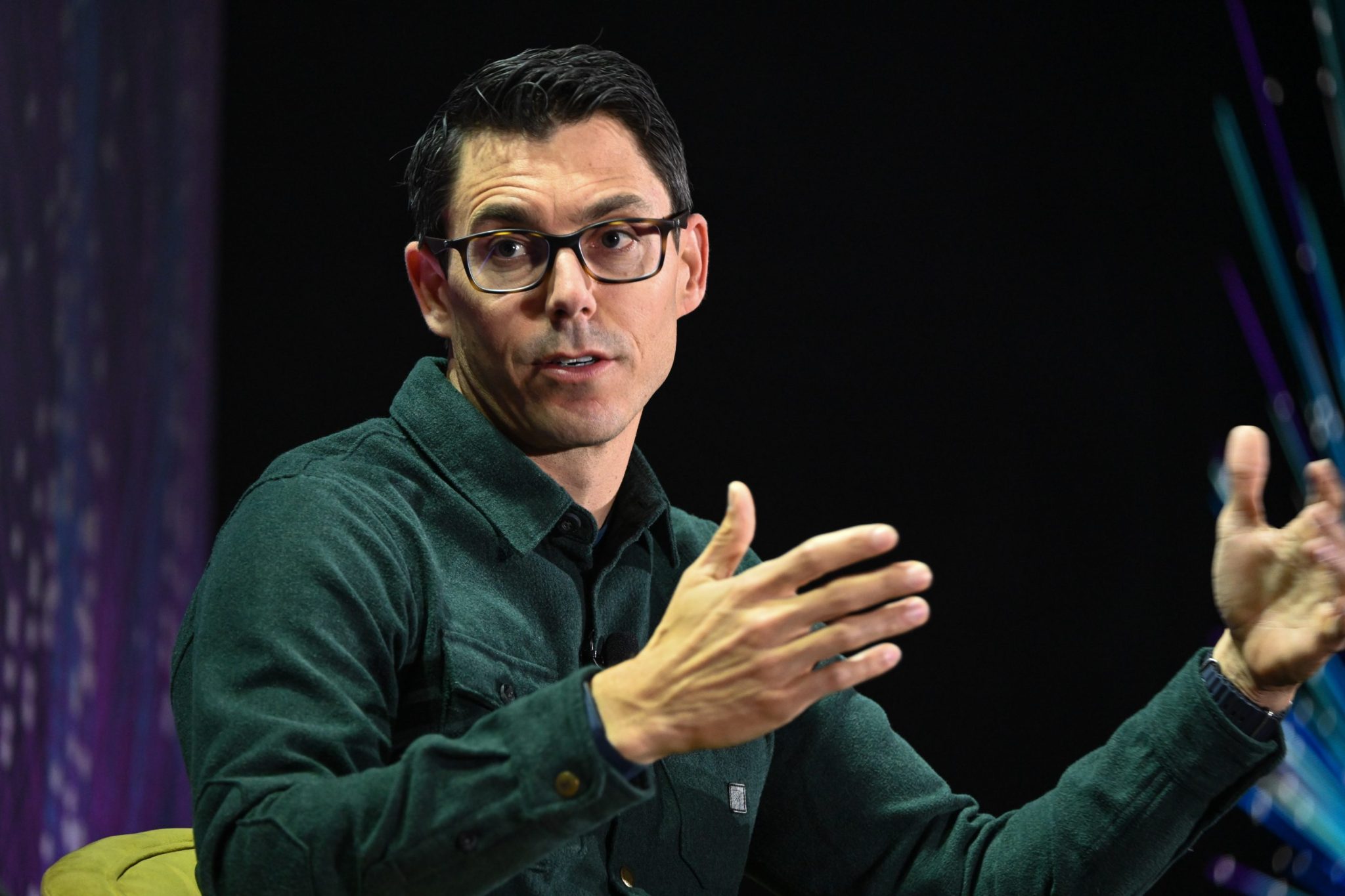
It’s not that Americans don’t want electric vehicles, according to the chief executive of American EV-maker Rivian. It’s just that they don’t have many good options.
At the Fortune Brainstorm AI conference in San Francisco earlier this month, Rivian CEO RJ Scaringe pointed to the scant choices consumers have in picking a midprice EV, noting that Tesla has continued to dominate sales, making up about 50% of the market share, with few other competitors making an impression.
“That’s not a reflection of a healthy market with lots of choice,” Scaringe said. “If you think of it as a consumer, you have 300 different internal combustion engine choices at that price or lower, and you have maybe one highly compelling EV choice.”
EV demand in the U.S. has continued to lag behind other parts of the world, making up just about 5% of new car sales, according to November data from Edmunds. In China, meanwhile, EVs make up more than 50% of the auto market share, China Association of Automobile Manufacturers data shows. Battery-electric cars make up about 16% of the EU market share, per the European Automobile Manufacturers’ Association.
U.S. automakers are feeling the squeeze from middling demand, with Ford pivoting away from heavy EV investment, citing lackluster American interest. It announced this week it would take a $19.5 billion charge and refocus on gas- and hybrid-powered vehicles, discontinuing some larger EV models.
Sparking American’s EV curiosity
Scaringe hopes his automaker’s own focus on more affordable EVs can rev up demand in the sector. Rivian’s R1, a seven-seat premium SUV, starts at about $70,000 and can run up to about $120,000. The R2, expected to launch in the first half of next year, will have a $45,000 price tag.
“We see, with R2, an opportunity to really bring a whole host of new customers that haven’t had a choice that’s electric that really appealed to them yet,” Scaringe said.
Price appears to be at the forefront of the CEO’s mind. While automakers like Ford said the end of the $7,500 EV tax credit tempered demand for new cars, Scaringe reportedly took a different perspective. In a memo to employees, reported by the Wall Street Journal, Scaringe said the end of the incentive puts pressure on EV companies, including Rivian, to lower prices.
But increased competition has not always been greeted so fondly. Canada imposed a 100% tariff on Chinese EVs in 2024, hoping to protect the burgeoning domestic market of electric cars. Scaringe, however, sees room for his rivals in the U.S.
“I really think the constraint isn’t the demand side. I think it’s the supply side,” Scaringe said. “I do think that the existence of choice will help drive more penetration, and it actually creates a unique opportunity in the United States.”
#Rivian #CEO #Midprice #sales #Tesla #reflection #healthy #market